Fashion Becomes Art: My favourites from the Schiaparelli V&A exhibition
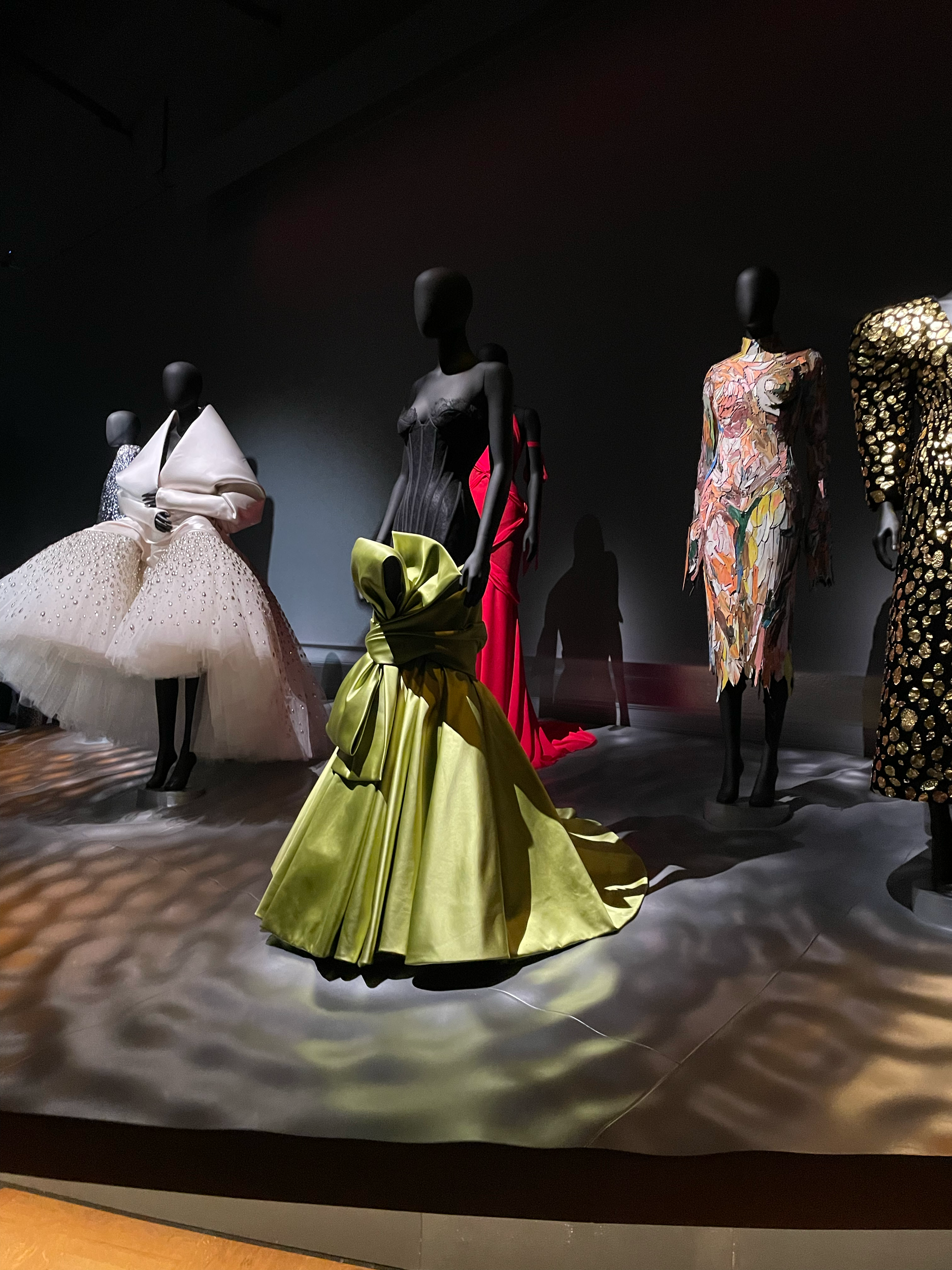
“One of the most beautiful things to witness is the raw talent and creativity, woven in heirlooms of the past, present and future, displayed in a specific timeframe, whilst they still inspire millions.”
I think to myself as I wonder through the V&A’s most recent fashion exhibition, Schiaparelli: Fashion Becomes Art. This is exactly what Elsa Schiaparelli accomplished, as the lit displays capsulate the surrealist dream of every piece as soon as you step in.
“Known for wit and playfulness. The designer loved a decorative touch and was known for novelty buttons that took the form of circus performers and cherubs,” wrote vogue. Showcasing Schiaparelli’s modernity within intricate decorative stitches, pattern and imaginative designs.
Walking through museums always amazes me, there is a peaceful stillness you feel instantly when looking at mirrors of the past, and I get a sense of realisation that we are much bigger than just the present moment.
In the ways in which you can escape and be transported to another time frame in existence, and feel exactly what was meant to be communicated.
It is a similar feeling when admiring Schiaparelli’s designs, all in the same room; pure amazement and awe.
The exhibition, whilst showcasing designs, also displays an exclusive insight into Elsa Schiaparelli’s journey and enters her journey about where she gained her inspirations from that were very much influenced by art, theatre and the west end. Her past pieces, featured inspiration from artists such as Jean Dunand, Jean Cocteau and Salvador Dali which gives Schiaparelli a unique and surrealist lens.
Daniel roseberry is also featured in the exhibition, as of 2019, he stepped into the role of creative director with experimenting new textiles for a contemporary clientle. Many of Roseberry’s collections adopted influence from paying homage to and enhancing the surrealism of the Schiaparelli brand.
Roseberry’s touch adds to the fact that this exhibition is to be perfectly timed and on trend with a cultural revisit to historical and modernist understandings of fashion expressions.
Since the 2026 Met Gala theme and dress code shows how “fashion is art,” displaying a keen interest to revise the intentions behind surreal and striking haute couture.
Despite this, Schiaparelli was one of the first to exhibit this notion of how fashion becomes art itself. Mostly, with designs that are beautifully crafted to symbolise much more than just the clothes we wear or to signify bolder fashion statements. Yet, to outline the creativity evident in designs capable of withstanding the social contexts of their era.
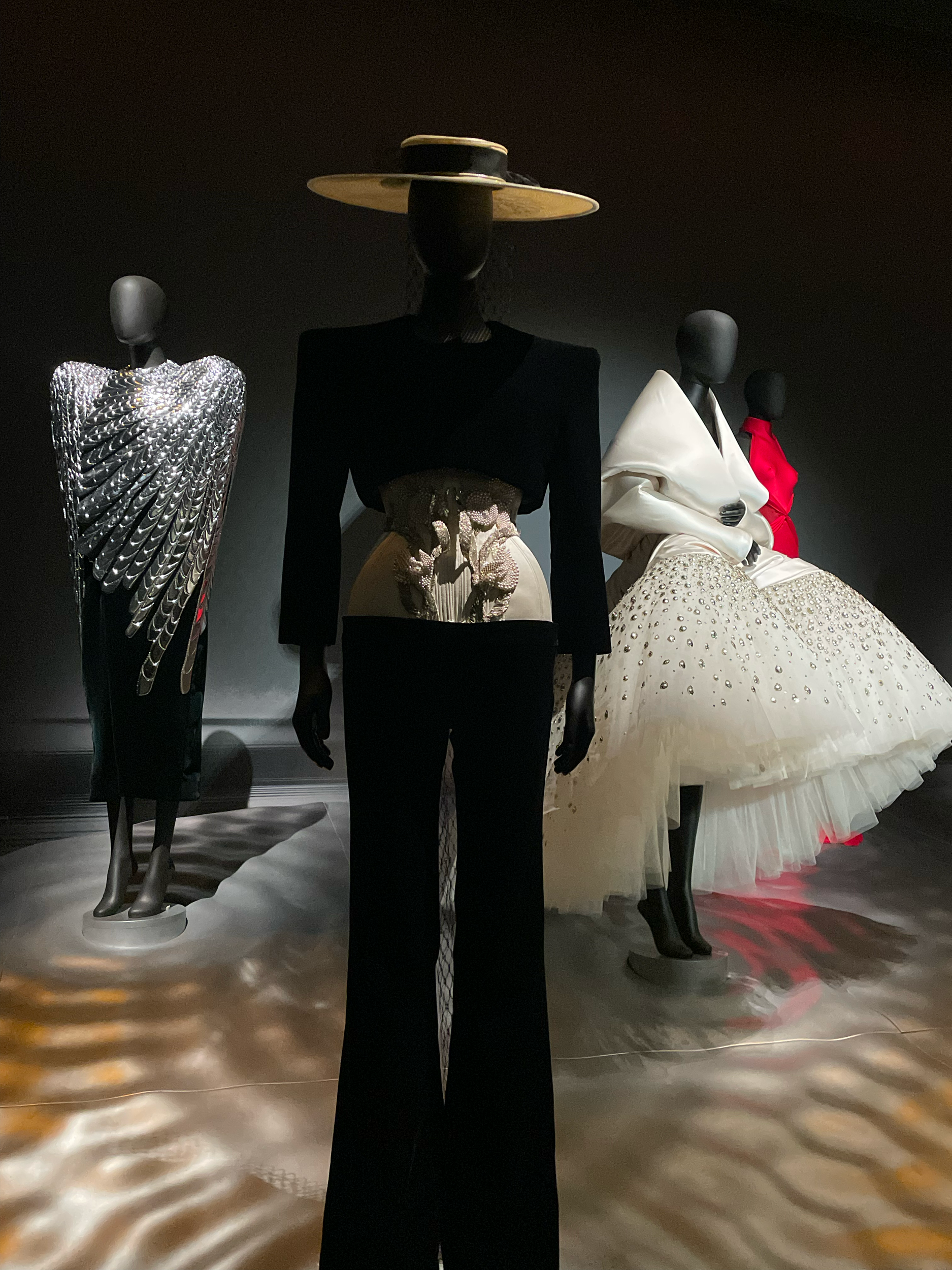
Phoenix collection Fall 2024 Haute Couture
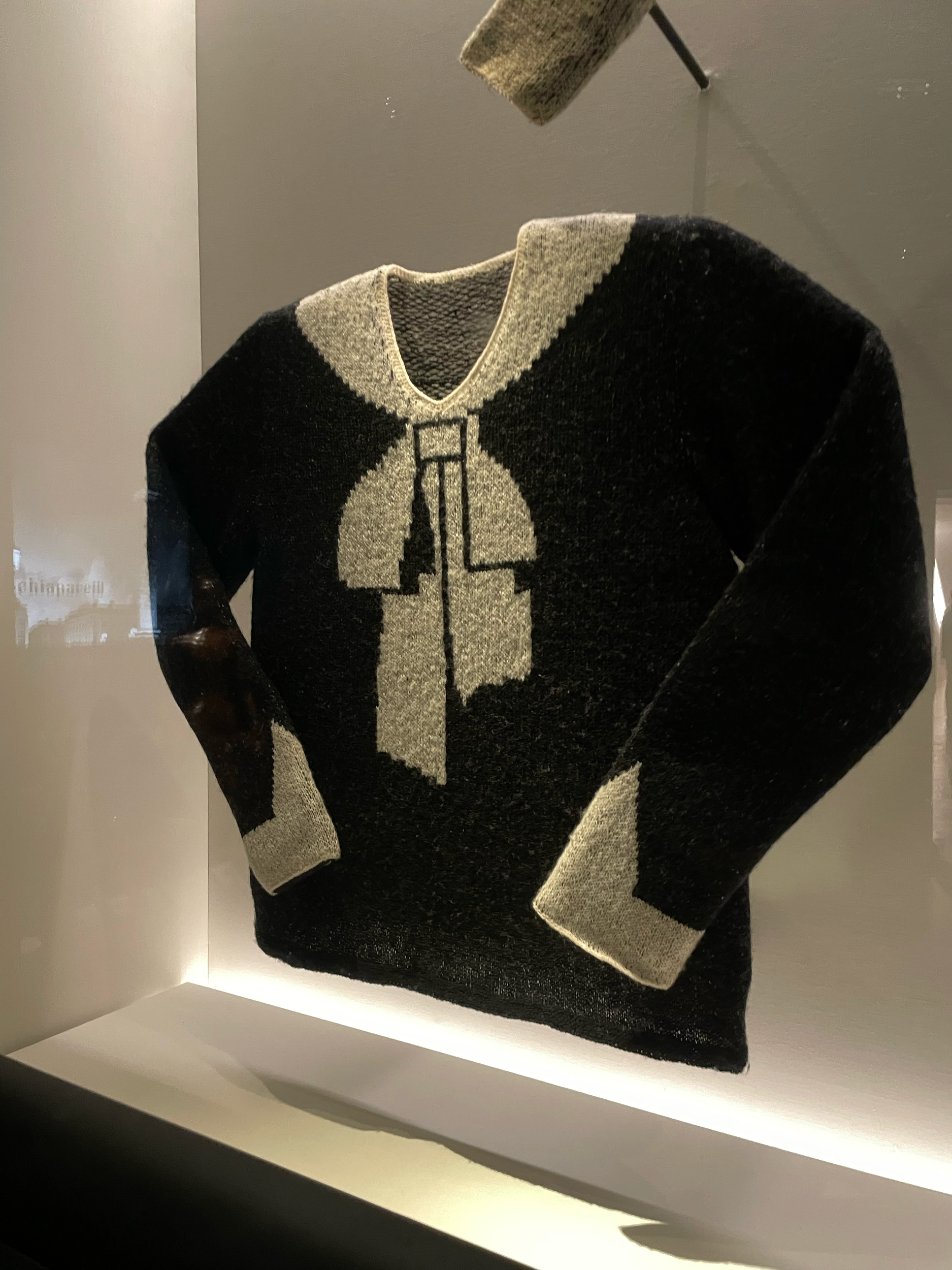
the bow knot sweater
Featured within one of her first solo collections in 1927, Schiaparelli and her commissioned Armenian maker, Aroosiag Mikaëlian, had designed a beautiful knit sweater with a decorative two - toned bow ascending from the collar.
Due to the sweater being made from wool, it’s noticeable geometric pattern and fine knitting, was instantly issued and featured within the popular press.
Aswell as, Elsa Schiaparelli wearing the sweater itself to social events, it became a well liked design among buyers and became in demand for future collections.
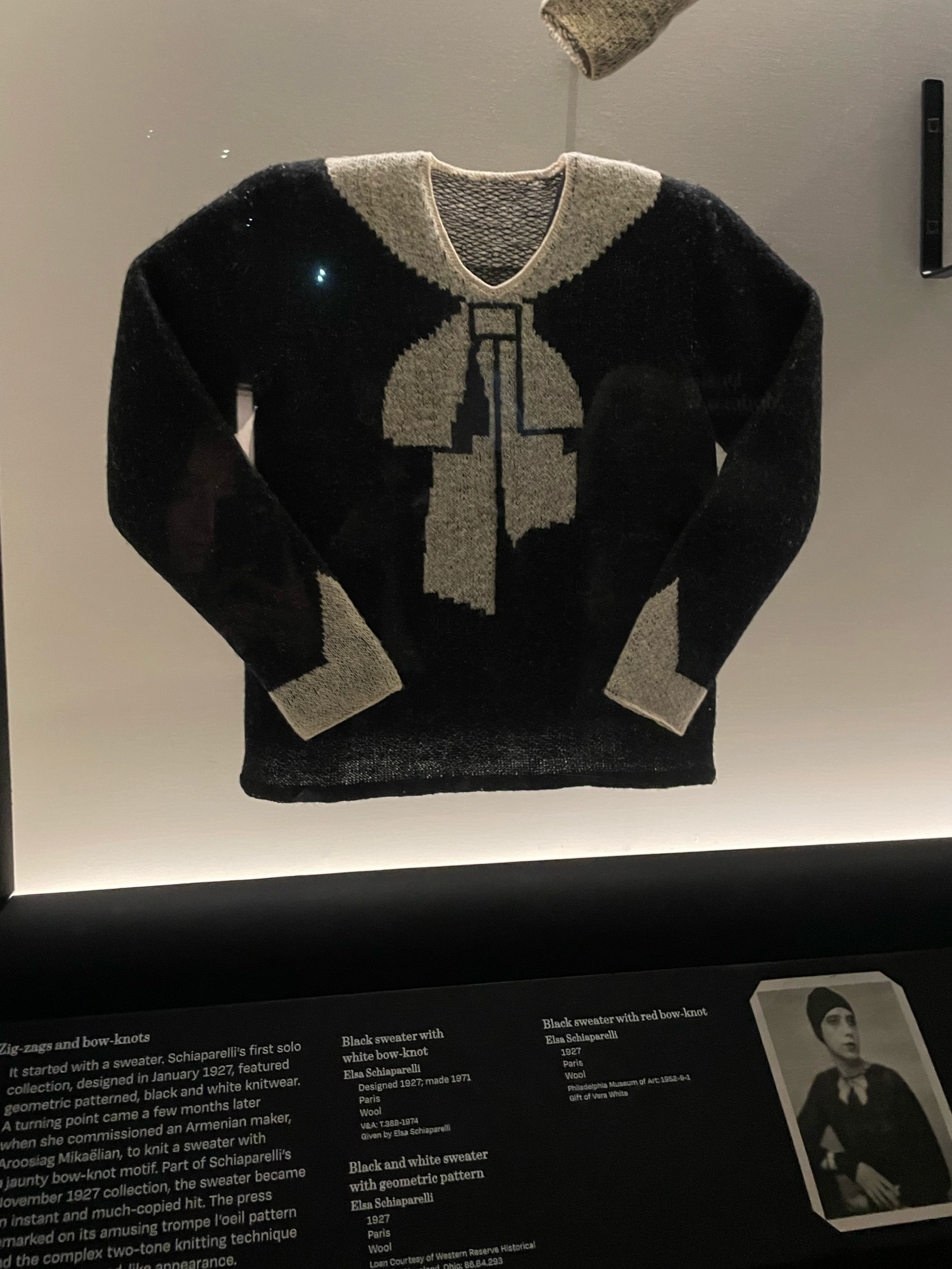
November 1927 collection, paris
This piece was also featured in the Cecil Beaton Collection captured by famous photographer himself, Cecil Beaton.
Suit trousers
An impressive signature of early 1930s Schiaparelli featured suits and trousers, in which they became a hit, as it was very unpopular for women at that time to wear trousers. Still, on occasion, women began to wear trousers for sports or informal loungewear.
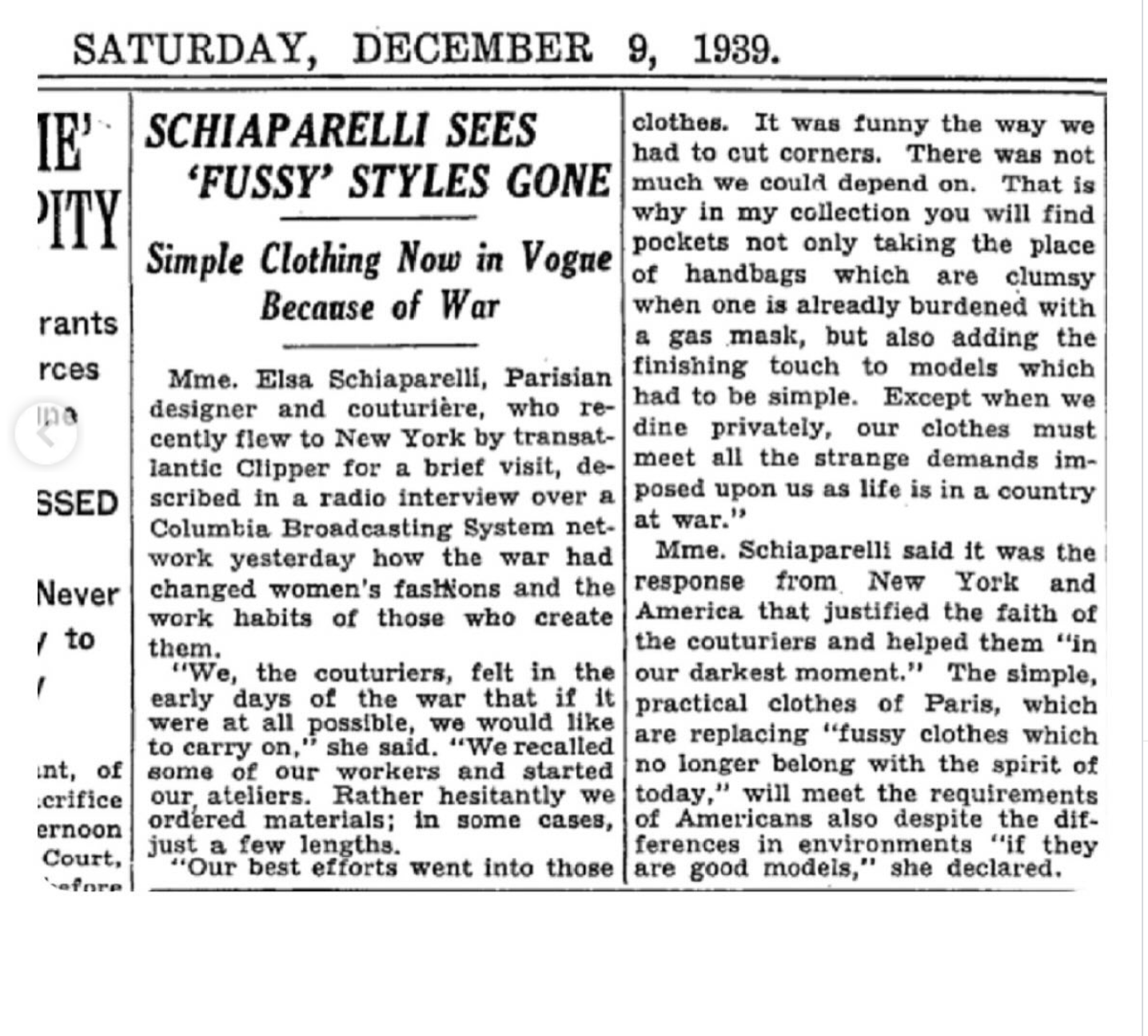
In fact, an exclusive interview with The New York Times in 1936, shows how Elsa advised that each women’s wardrobe should consist of at least; one fur coat, one tweed suit, a dark tailored suit and a silk dress for afternoon wear.
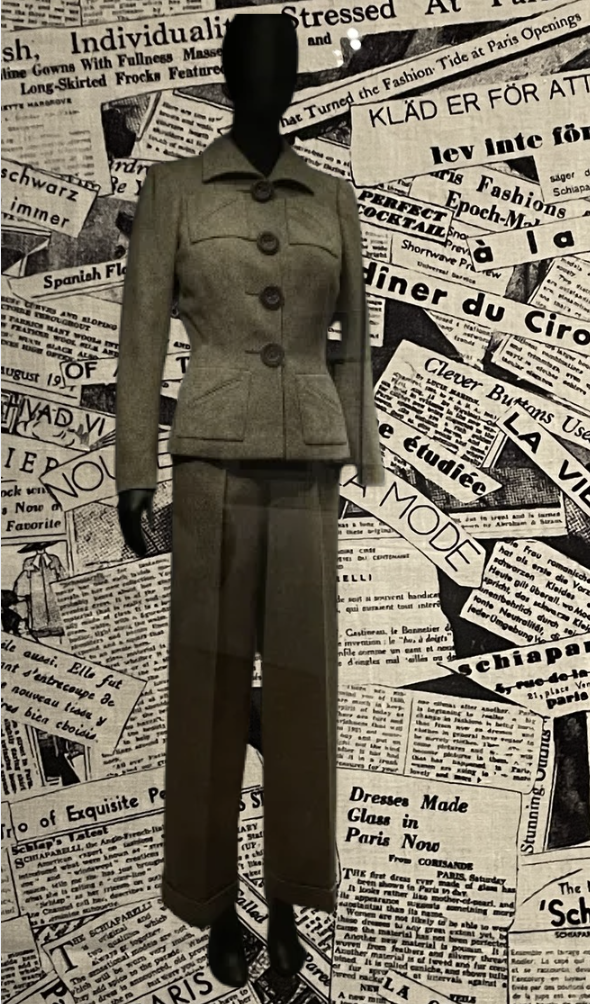
Pansuit, 1939,Paris
Creatively, as seen above, Elsa Schiaparelli also brought on inspiration from the popular press. With printed textile from early newspapers within one of her first “stop, look and listen collections” due to how her popularity arose from featured articles and pieces within Harper’s Bazaar, Women’s Wear Daily and Vogue.
The Evening gown & Dresses
Schiaparelli’s evening attire shows the modern silhouette evolving into something much more than the traditional.
This asymmetric draped dress from the spring 1952 collection shows just that, with an combination of contrasting colours and a long train to accentuate the modernist feel.
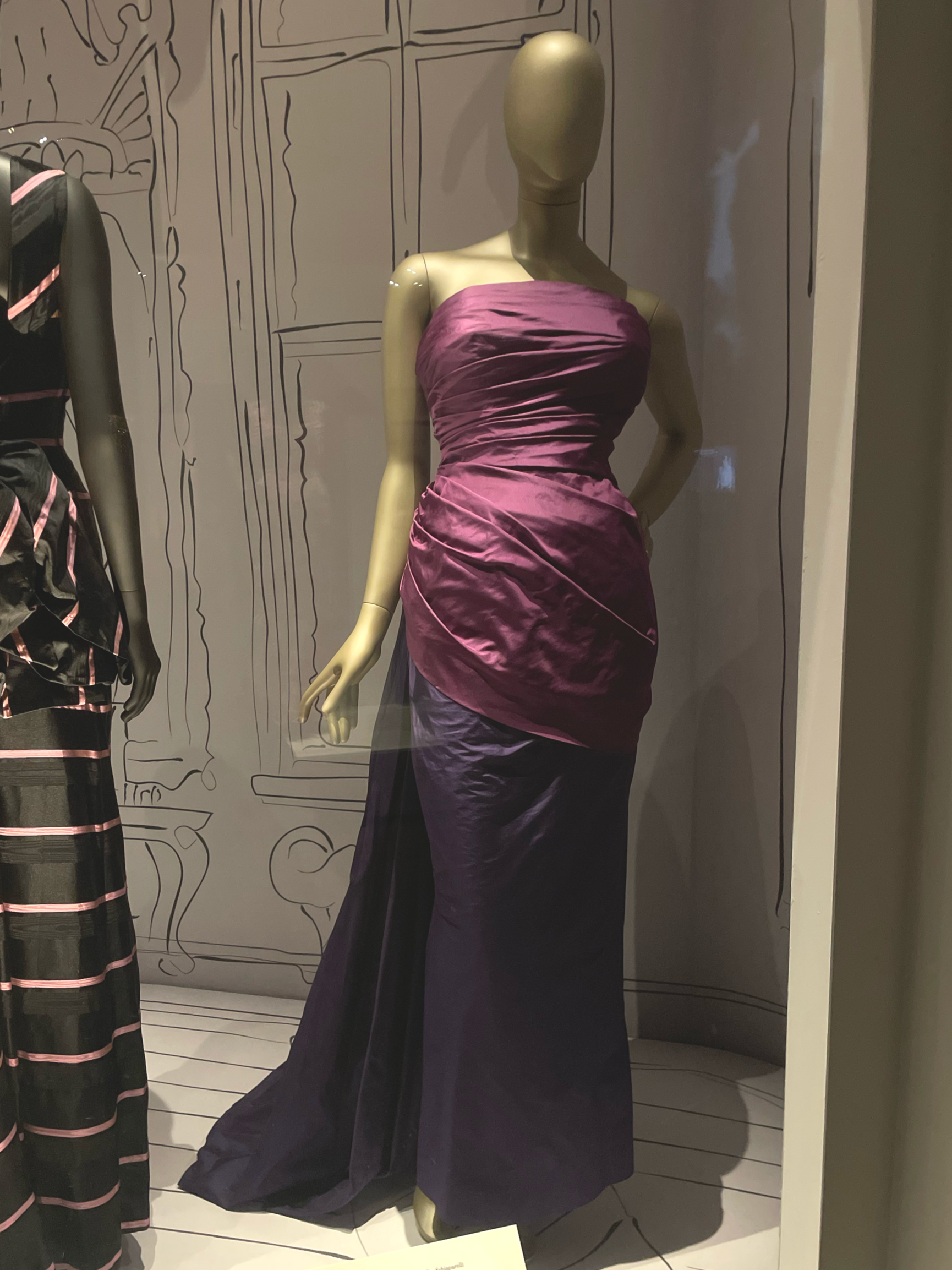
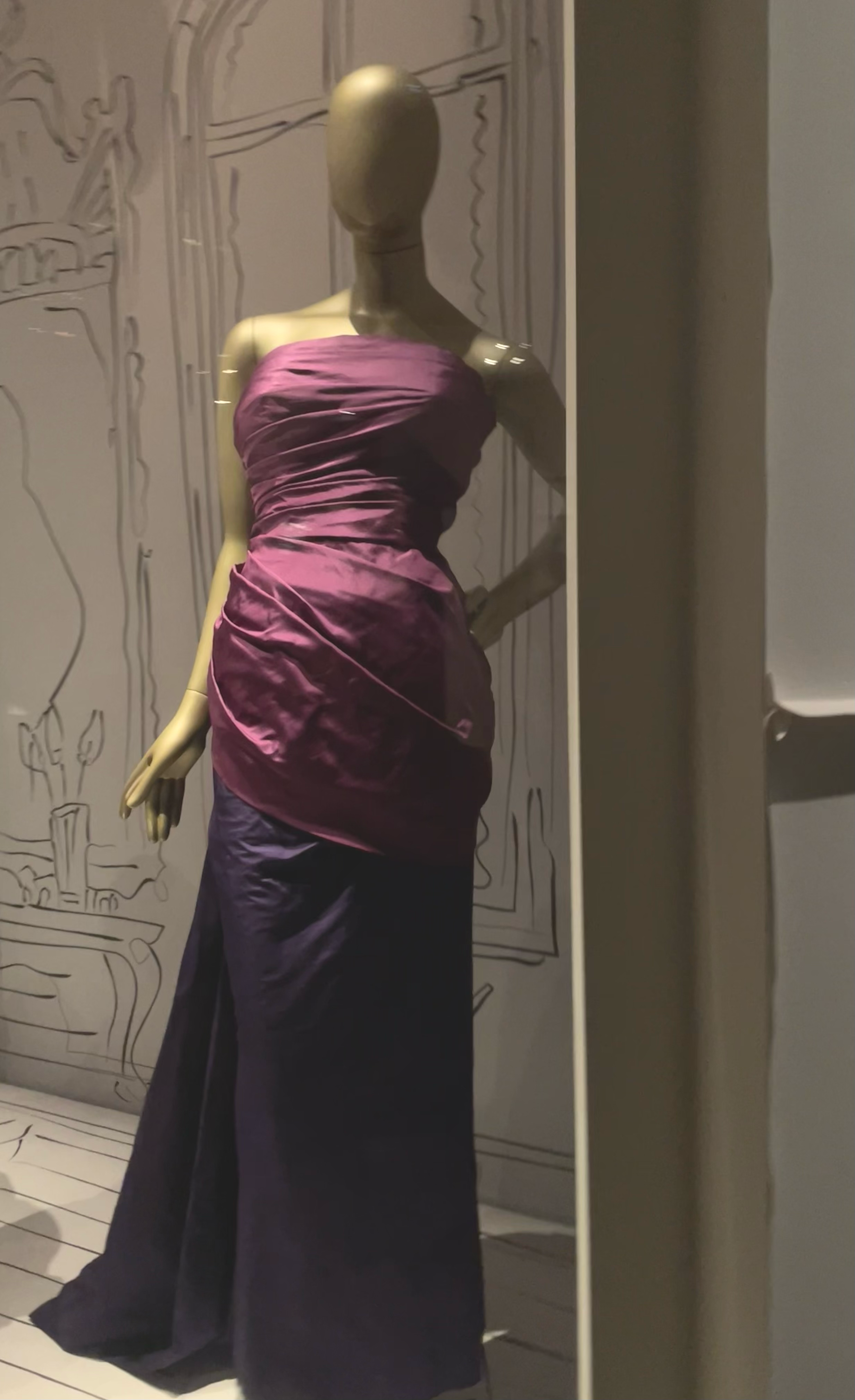
Schiaparelli also loved to contrast colours, textures and fabrics to showcase modernity throughout her collections. This crinkled shouldered red gown, features a line from the shoulder to the back in décolletage.
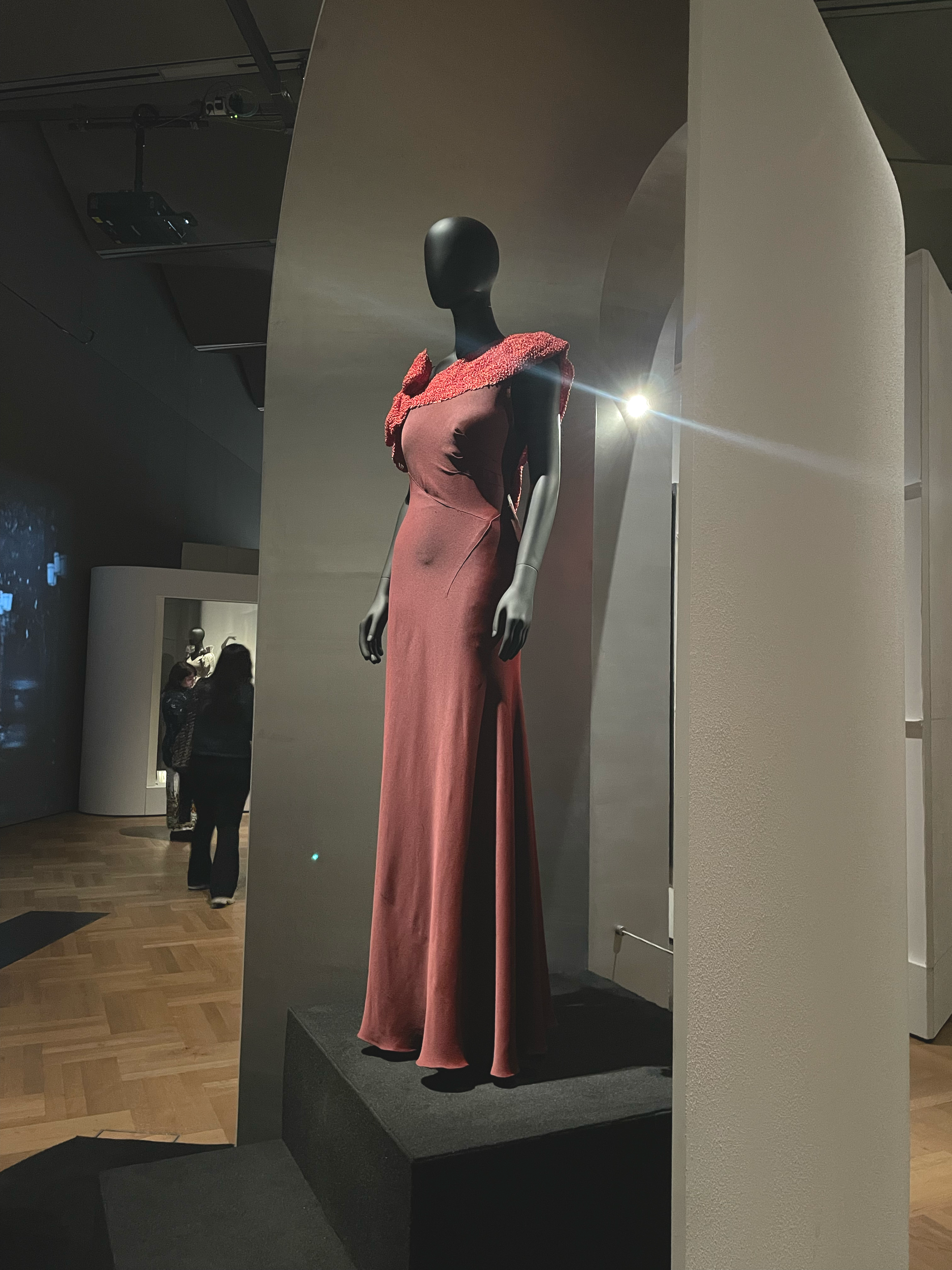
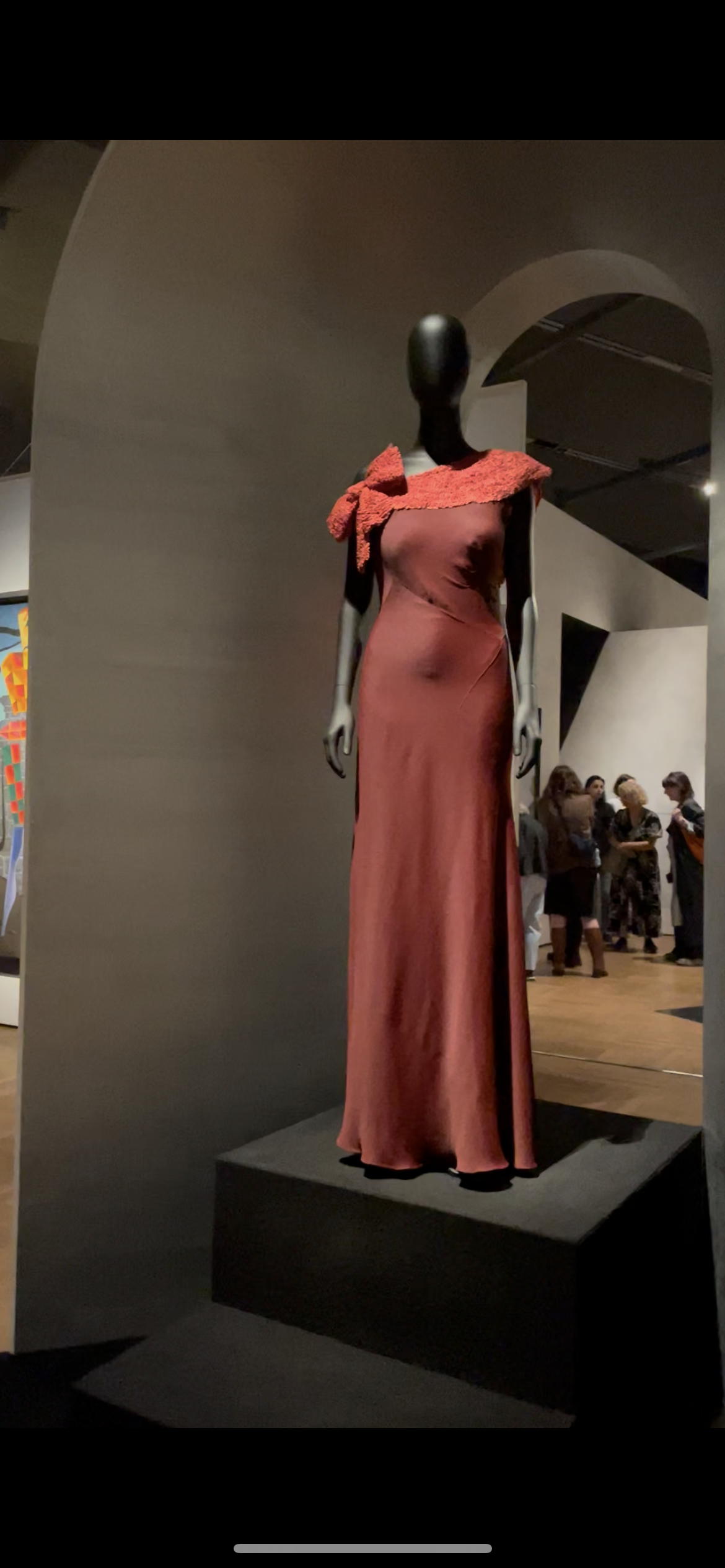
Made from ribbon with a crinkle texture this dress highlights a decorative bow which became a well known style after the release of the 1932 collection.
“Being thoroughly modern, she gives her clothes the essence of modern architecture, modern thought and modern movement. ”
Combining art with her designs Schiaparelli also collaborated with artists which added a unique touch to her most memorable designs.
These designs, included her famous lobster dress inspired by lobster print textile that was commissioned by Spanish artist Salvador Dalí.
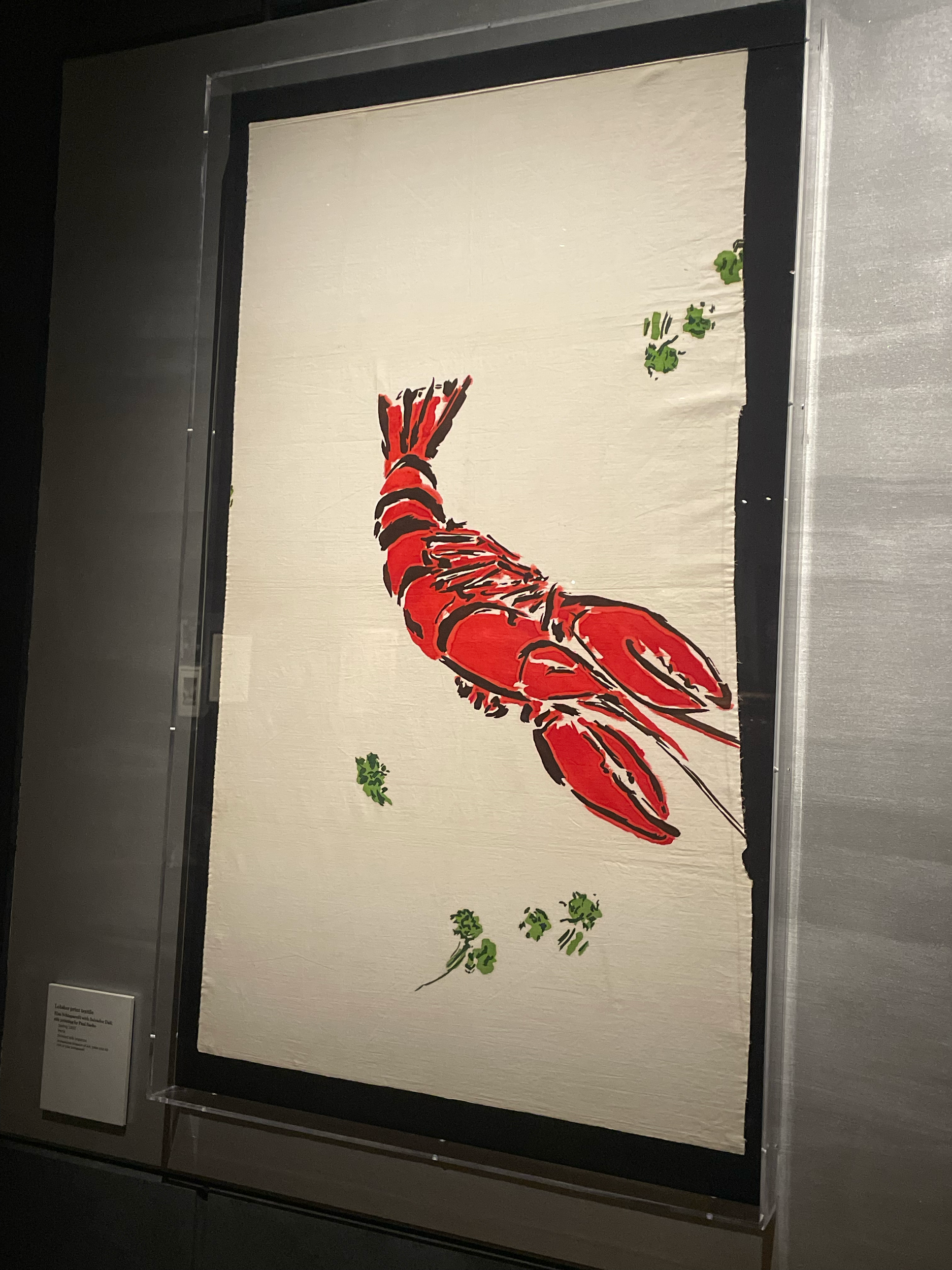
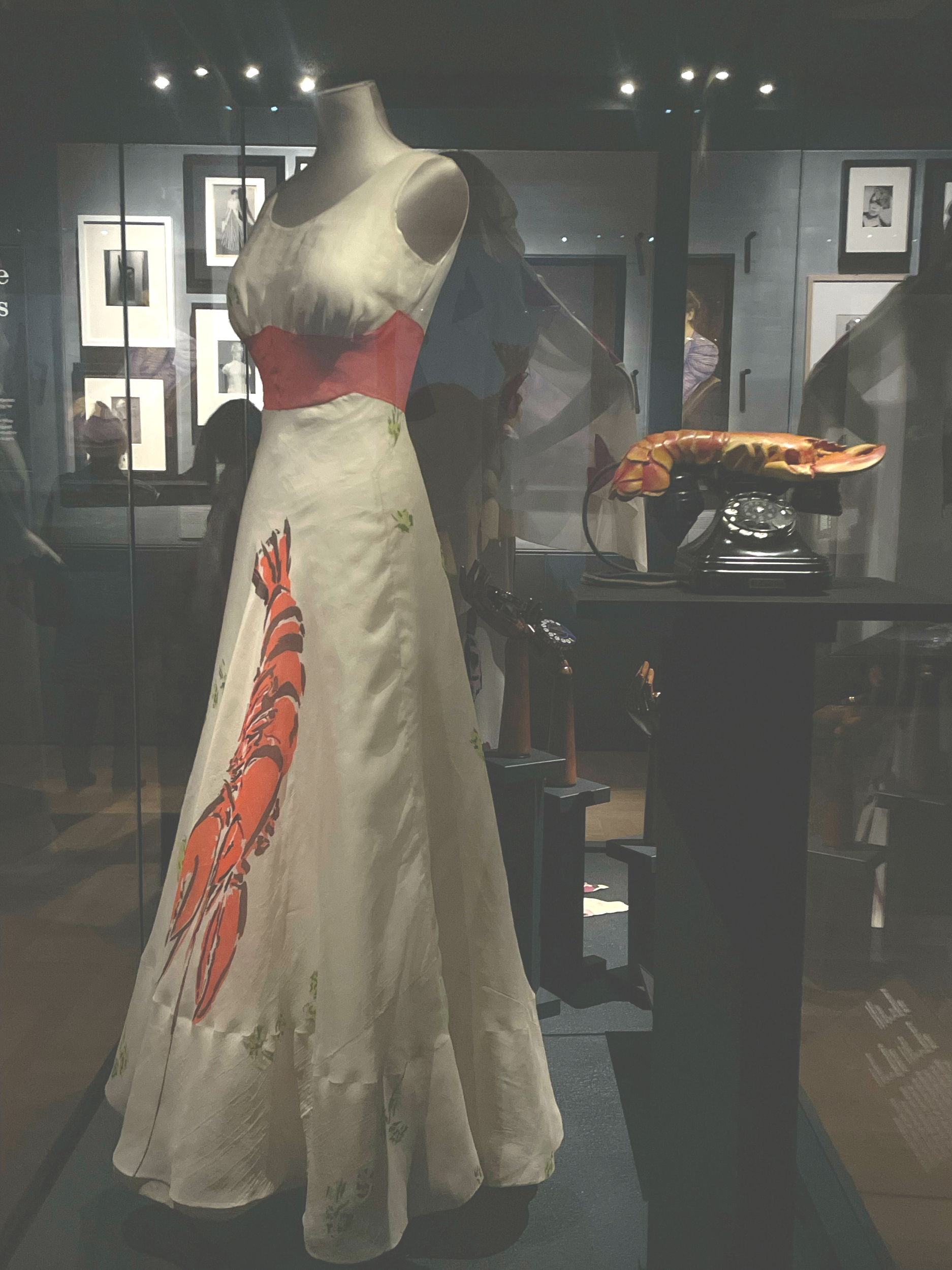
Being one of many collaborations with Schiaparelli, he printed a lobster motif on a white summer dress which was later worn by the Duchess of Windsor.
Custom couture gowns
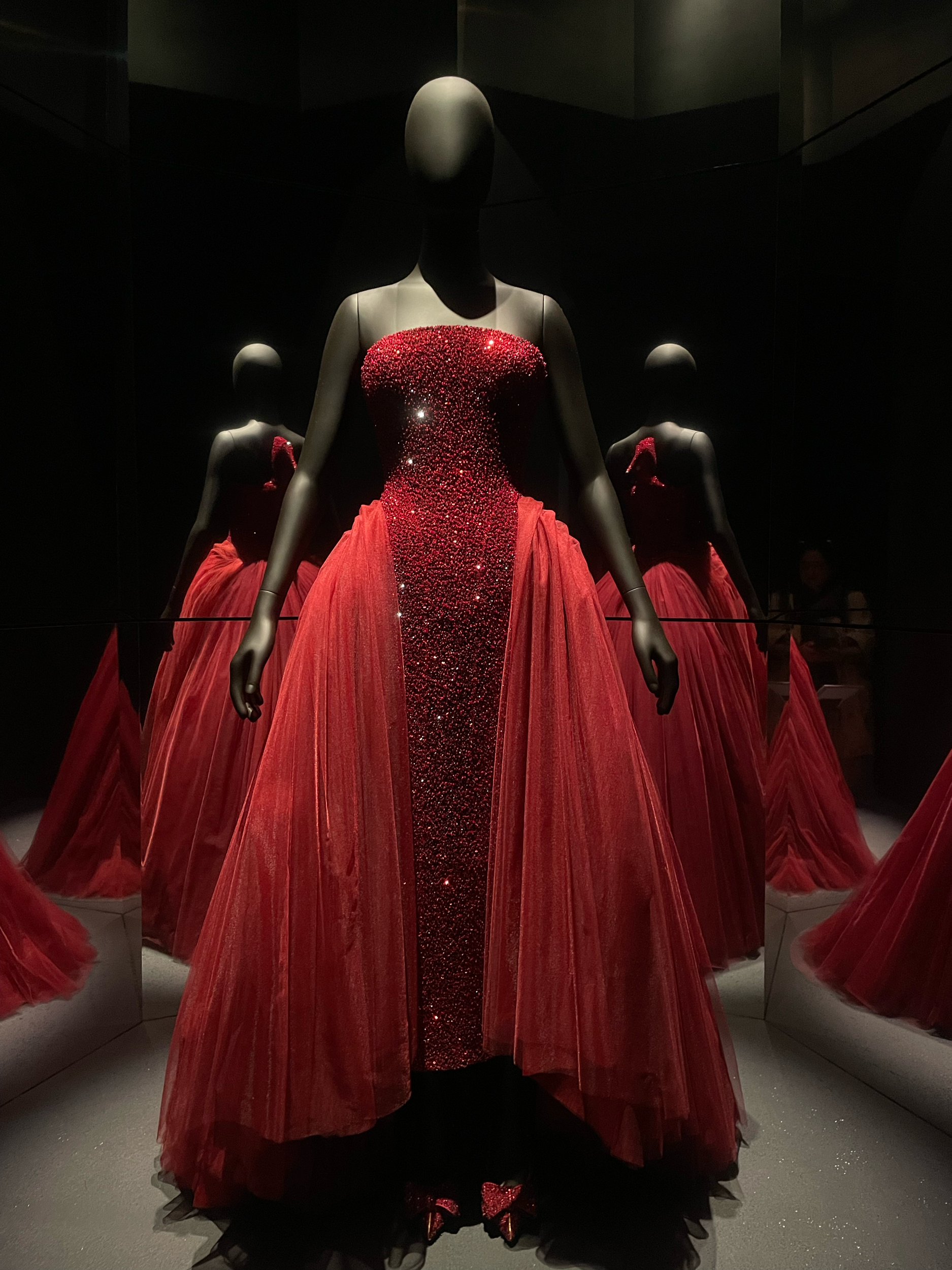
Made especially for Ariana Grande at the 2025 Oscar awards, who was nominated for best supporting actress in the film Wicked, is this extravagant glitter gown that showcases inspiration from Dorothy’s ruby slippers in the original film The Wizard of Oz.
The dress, made of siam sequins, beads and tulle, feature an unique surrealist decorative trompe l'oeil; that of a vintage high heeled shoe, stitched pointing upwards near her shoulder.
The phoenix collection
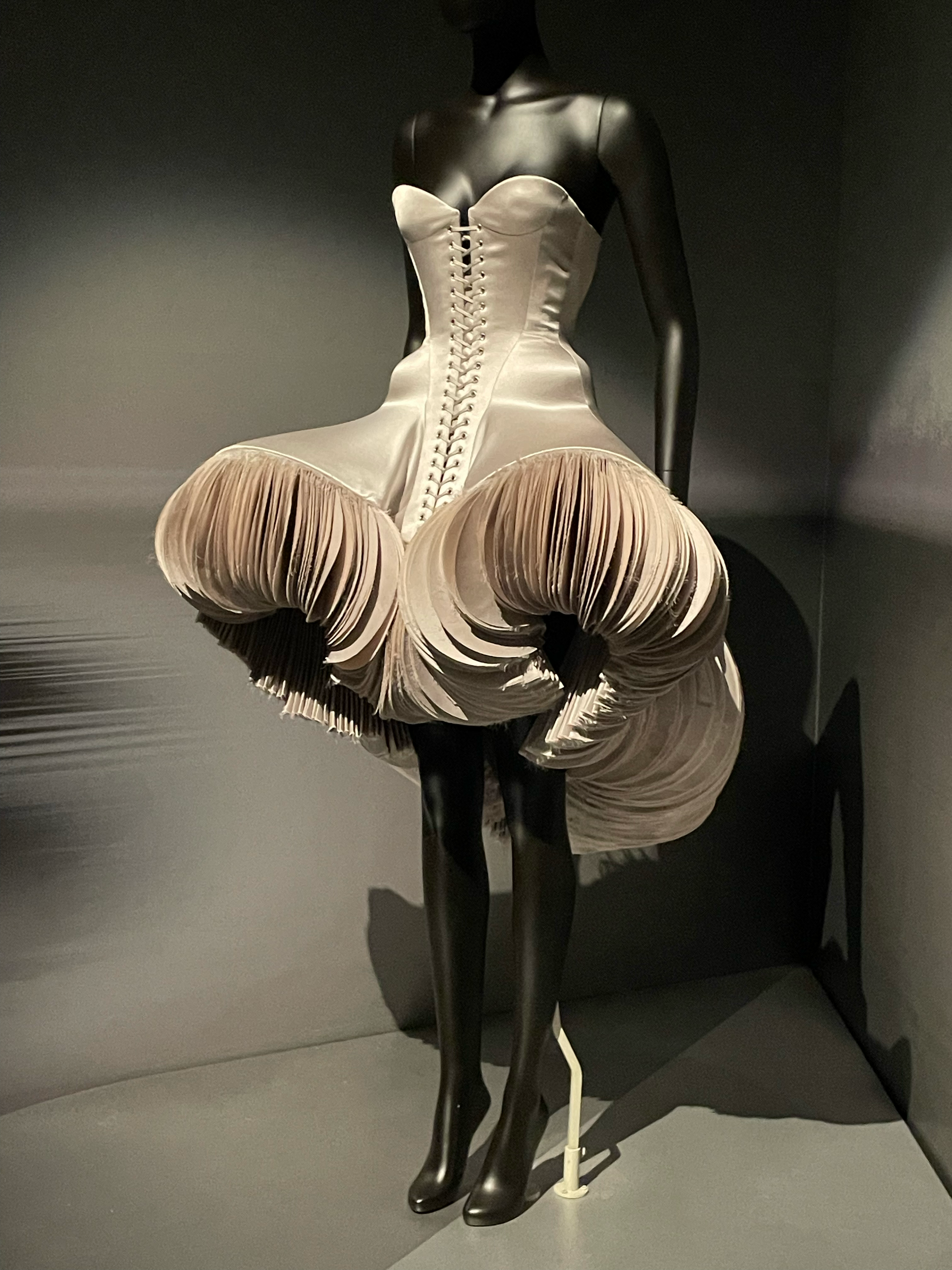
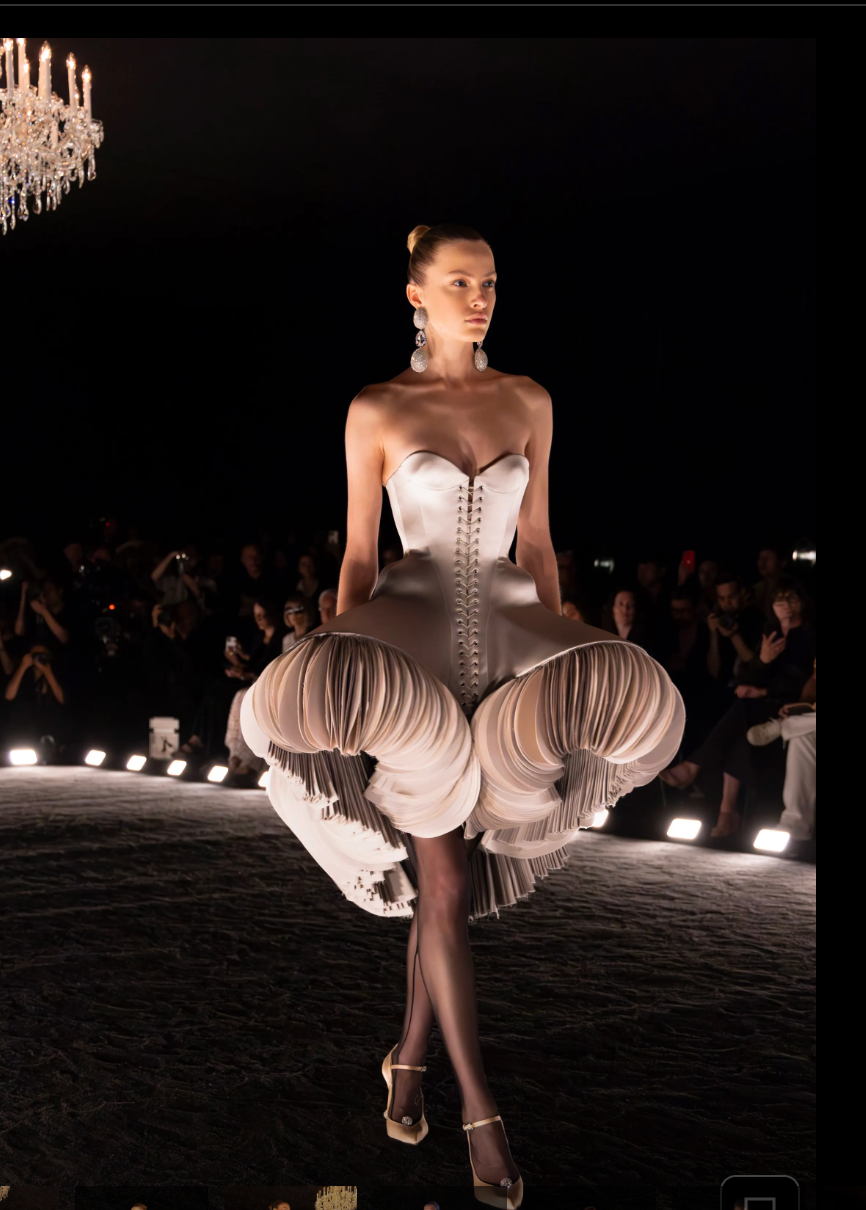
As powerful symbolism in his Autumn / Winter 2024 Couture collection, Roseberry paid the ultimate homage to early Schiaparelli with looks inspired by previous eras, of the 20’s, 30’s and especially the 50’s.
As my personal favourite from Roseberry’s collections is this beautiful hourglass structured gown, depicting a glamorous 50’s styled inspired haute couture craftsmanship, with swirling mille - feuille circle trimmings.
Icarus collection
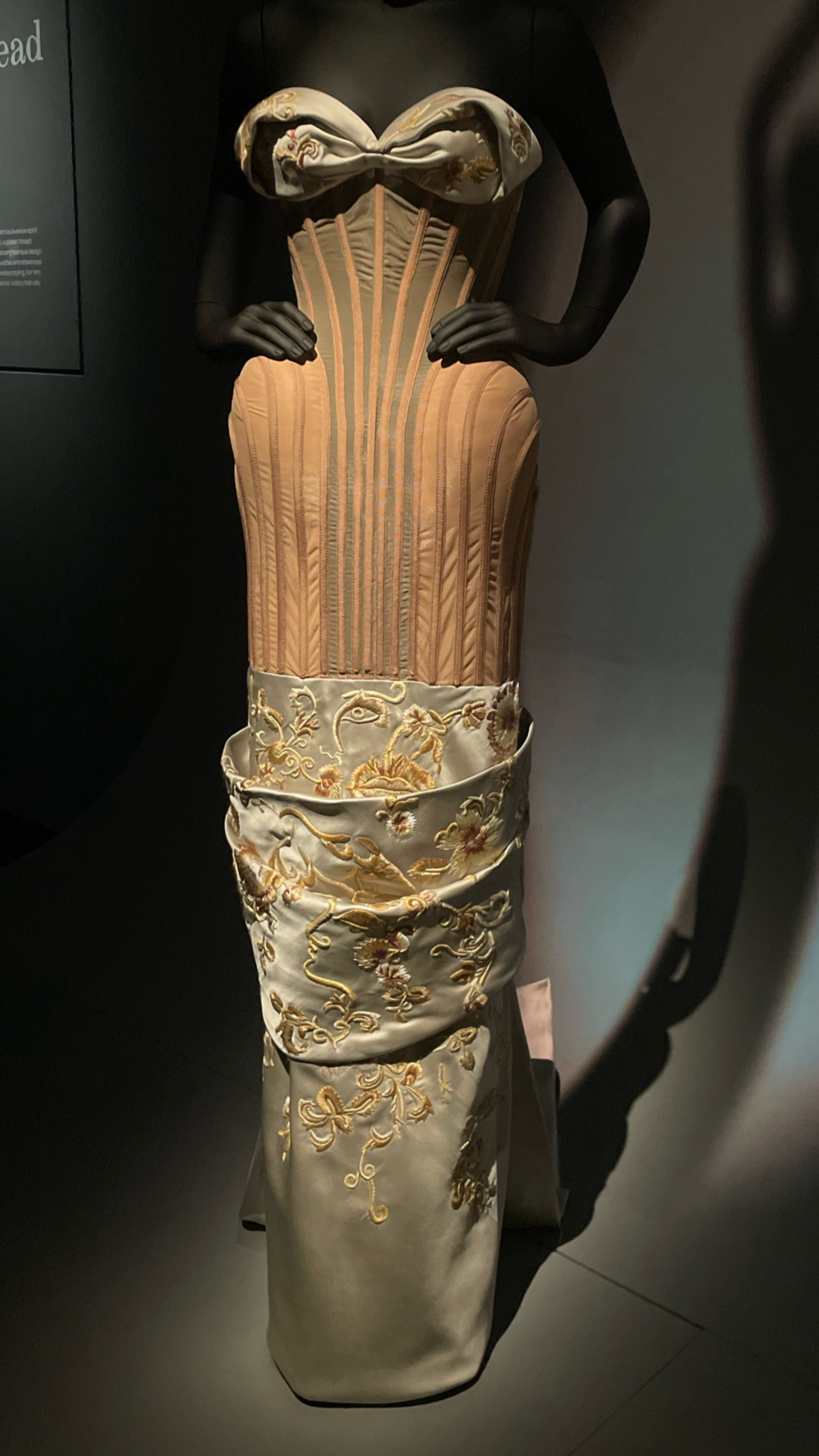
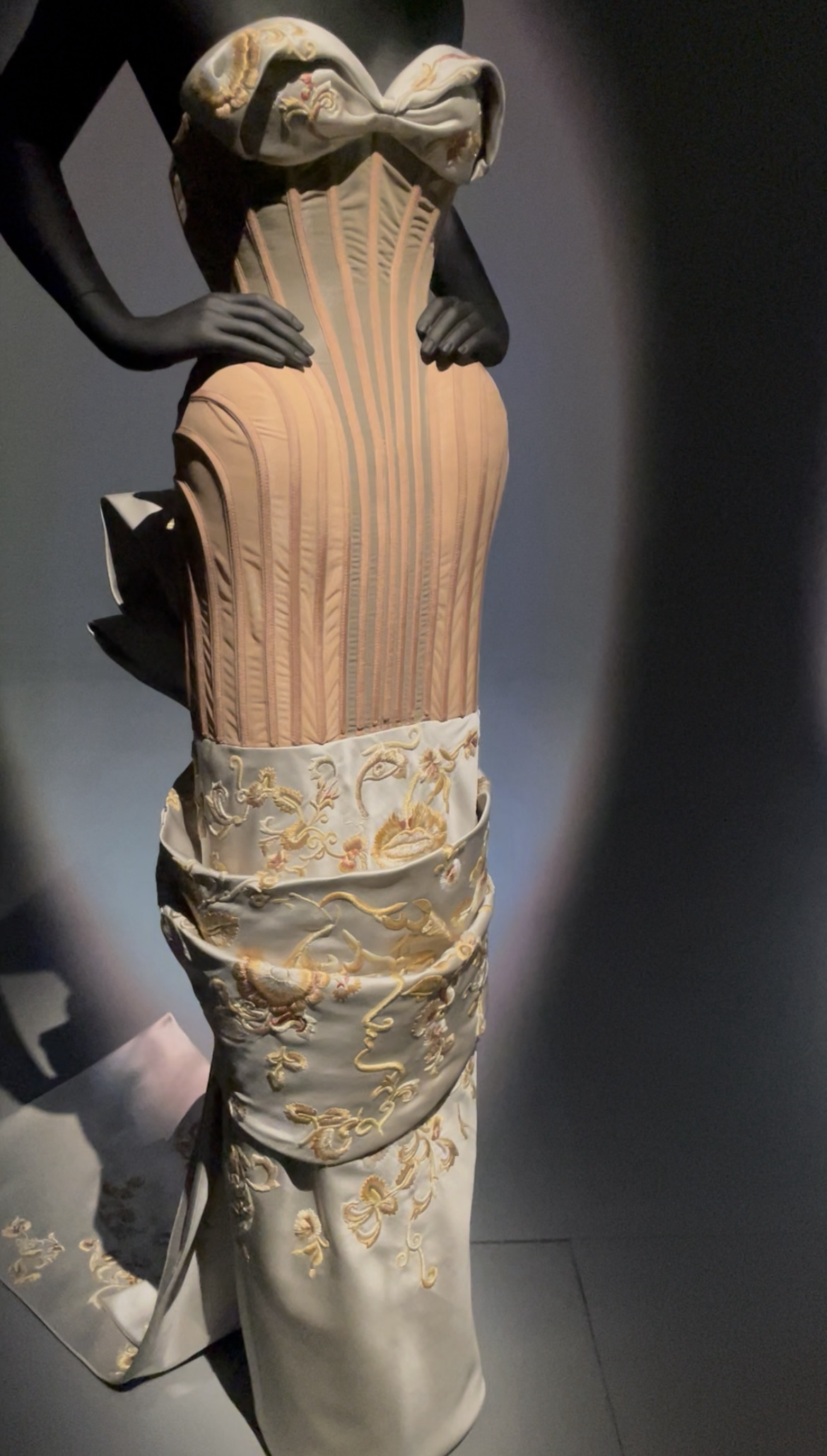
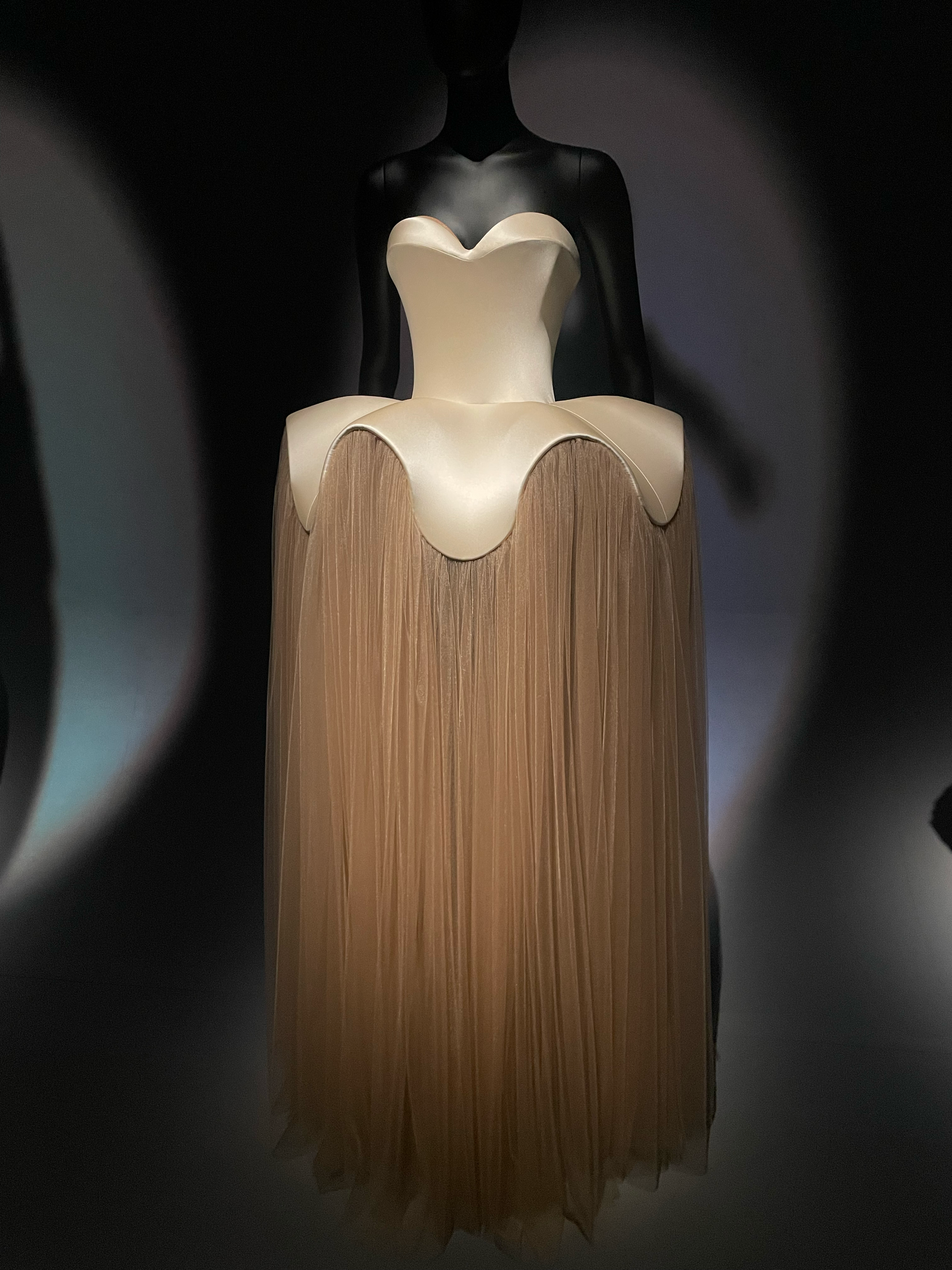
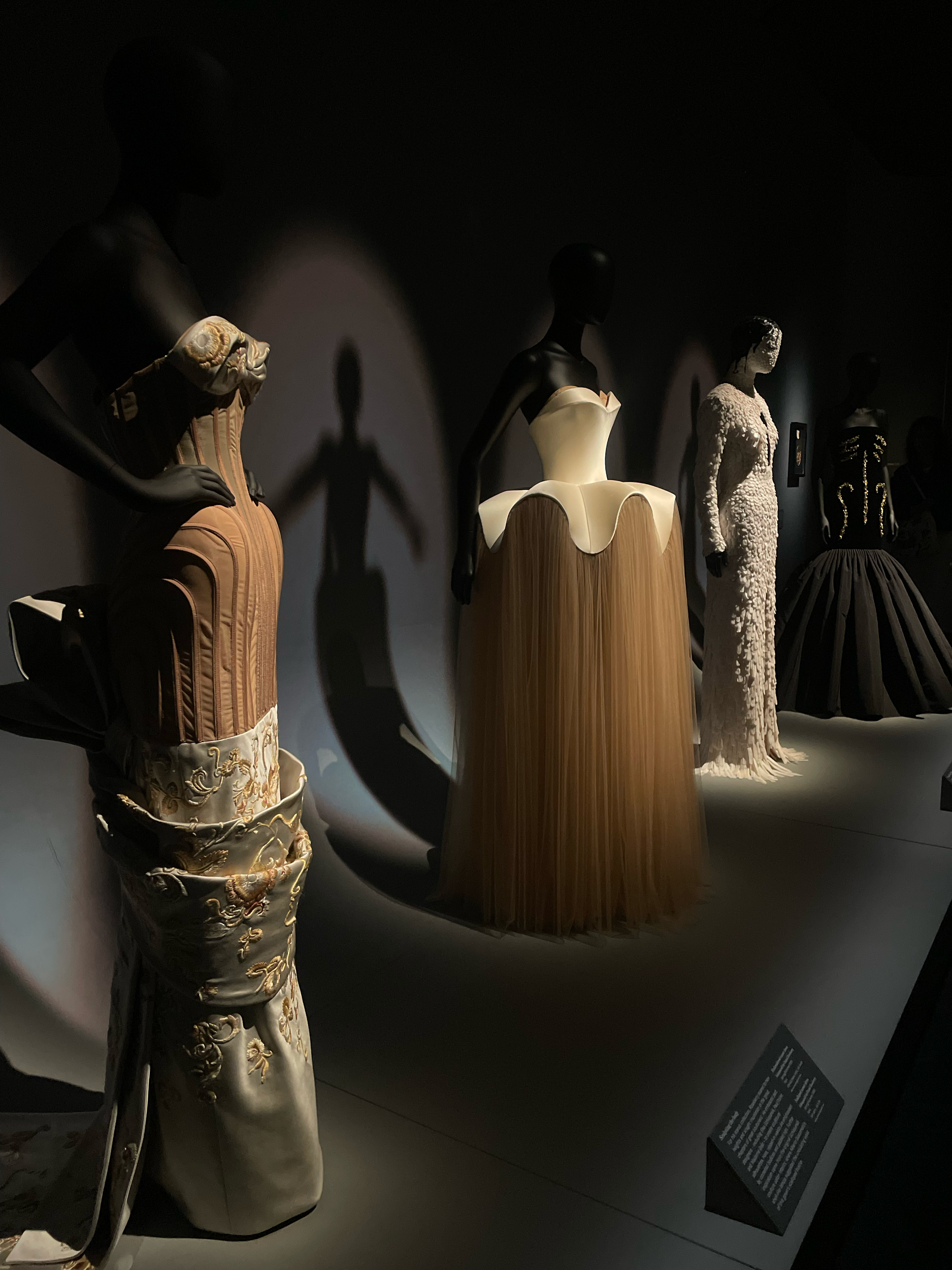
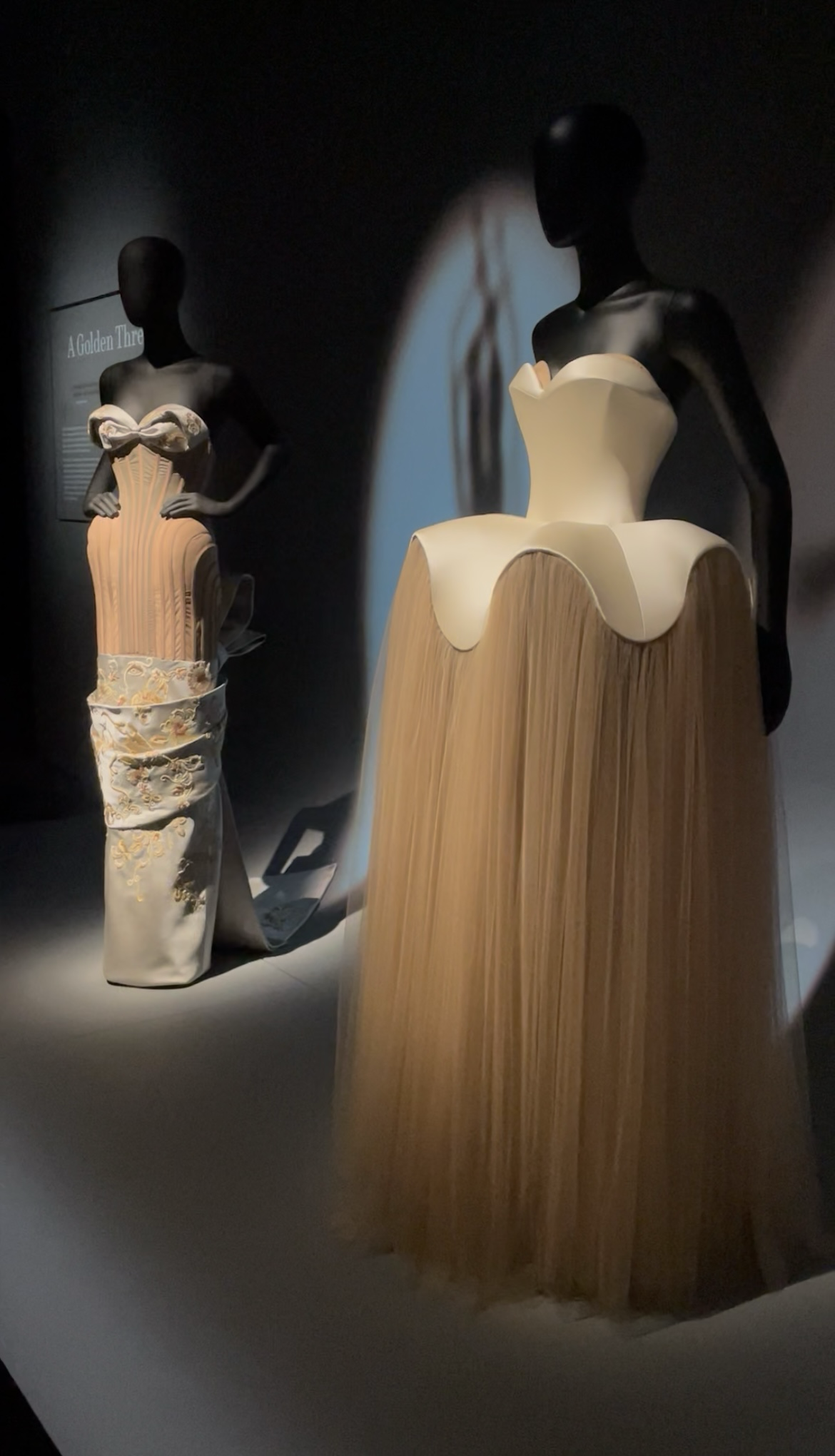
While embracing history in past designers, for the 2025 spring / summer runway in Paris, Roseberry created a collection based on sculptured silhouettes. Featuring a corset bodice with padded hips and embroidered detailing, alongside a scalloped corset dress with tulle hanging from the torso.
Scorpion sisters
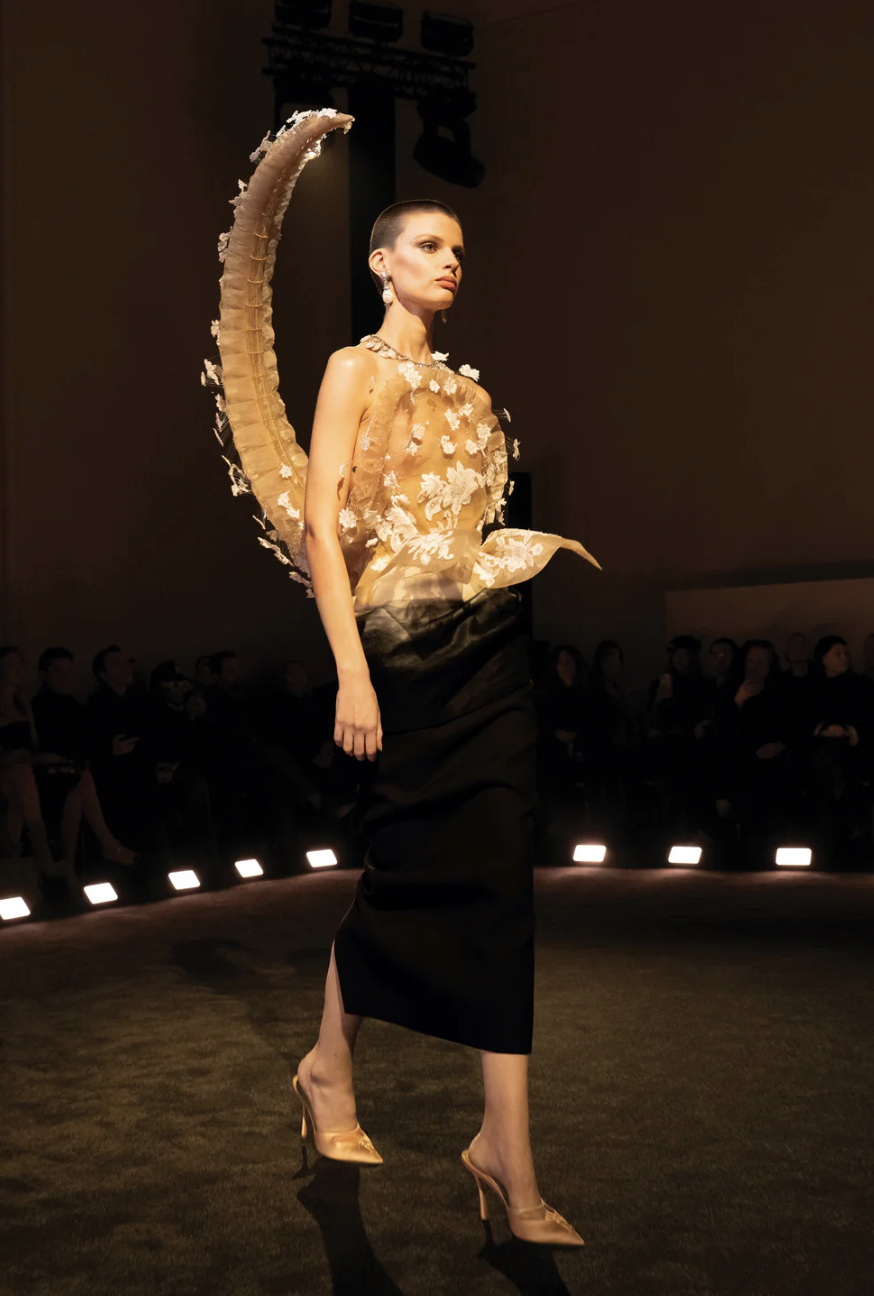
Whilst also taking inspiration from ‘explosive silhouettes’ and Elsa Schiaparelli’s fascination of animal life, Roseberry designed a structured bodice with an astonishing scorpion tail extending from the bust as a 3D motif.
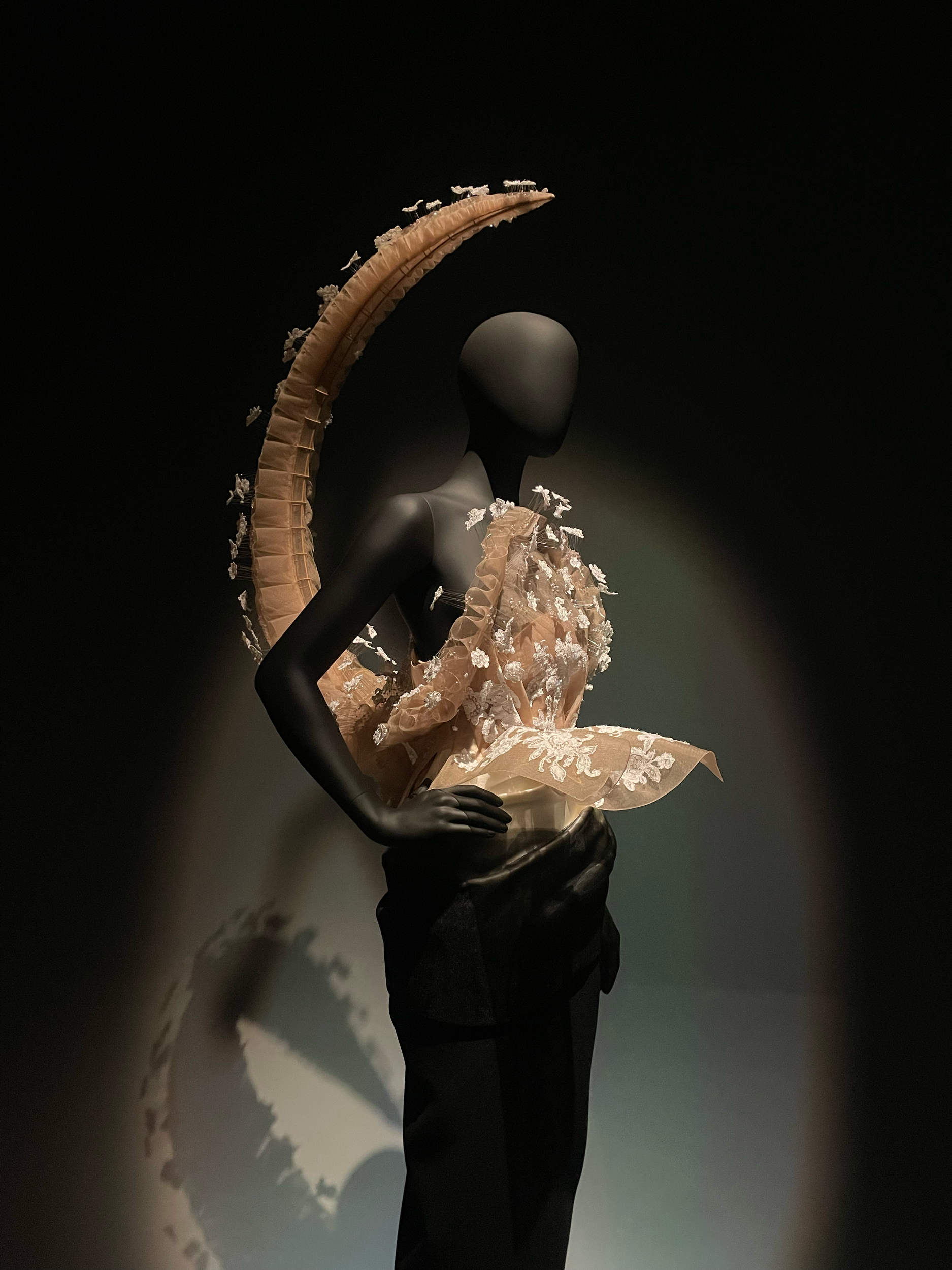
The delicate white flowers across the waist are also reminiscent of Elsa Schiaparelli’s early life as a child; she would often ‘plant seeds’ in her nose and mouth to grow more beautiful.
Another classic signature of Elsa’s Schiaparelli’s wardrobe consisted of structured blazers and jackets that each had a unique artistic and stylistic touch with an deeper underlying meaning.
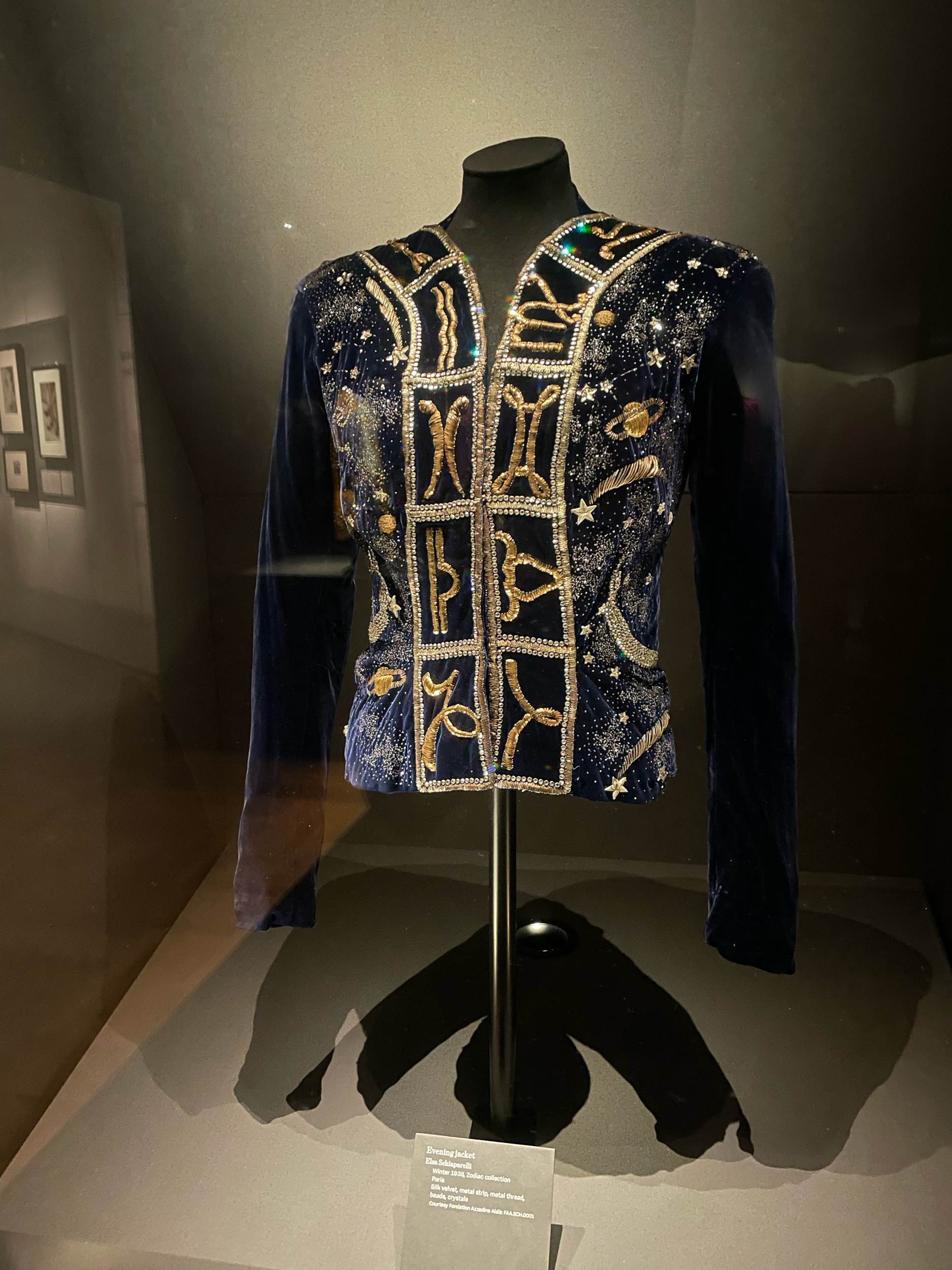
Elsa Schiaparelli’s famous astronomy-inspired piece is the Zodiac Jacket from her winter 1938–39 Cosmique collection.
This astronomical inspired silk velvet jacket is a reflection of Elsa’s personal and family life. Schiaparelli’s uncle, Giovanni Schiaparelli, was a renowned 19th-century Italian astronomer and director of the Brera Observatory in Milan.
He inspired many of Schiaparelli’s fascinations with the cosmos as she expresses a midnight blue galaxy within this jacket, which is surrounded by astronomy signs, stars and constellations. Strikingly, the depiction of Ursa Major, also known as the ‘Big dipper’ is also positioned on the left shoulder.
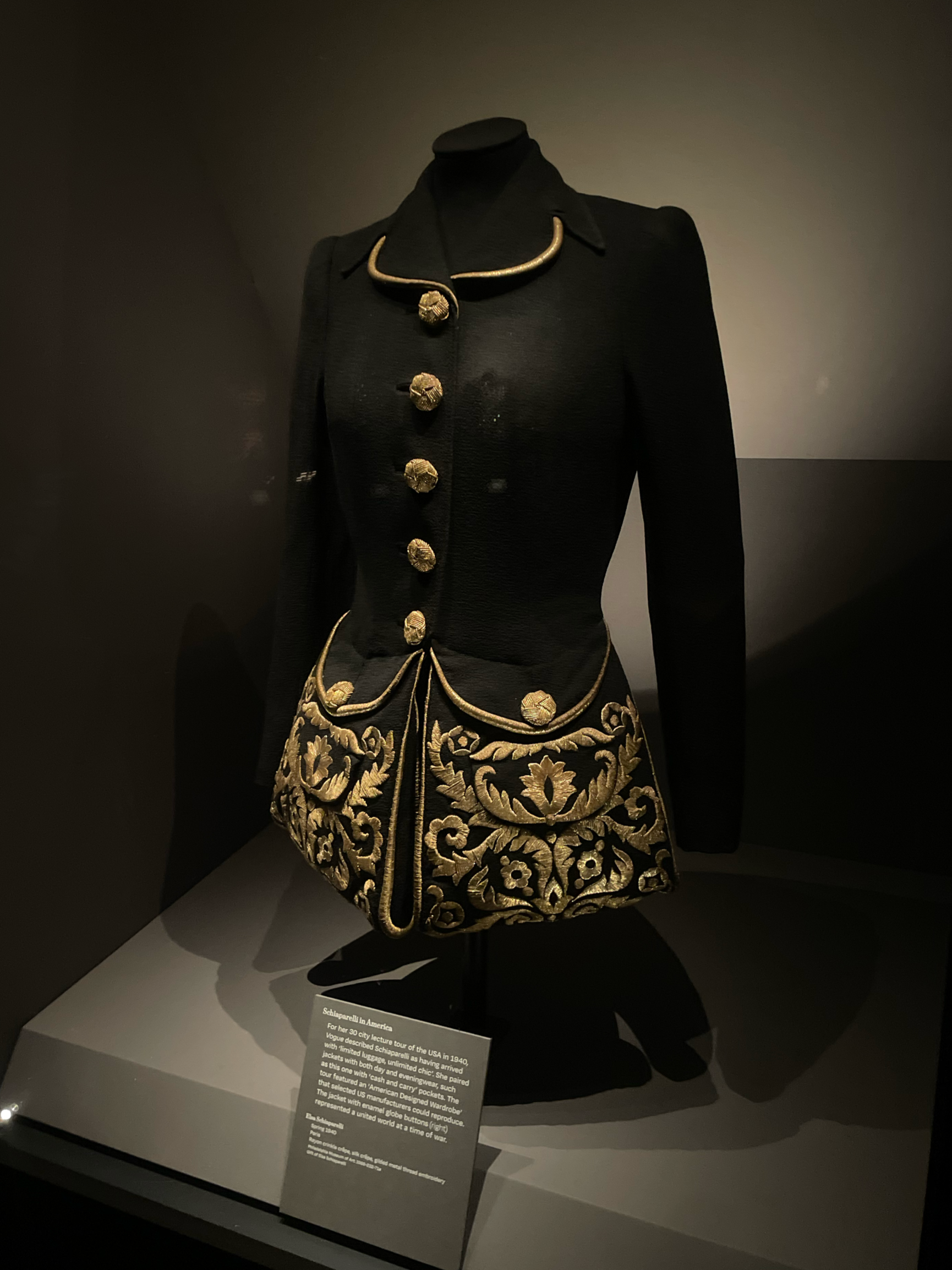
Spring 1940, Paris
This jacket, apart of the ‘cash and carry’ collection in 1940 depicts a military style structured bodice.
As a reflection of the breakout of the world war, Elsa shows a sculpted waist and an intended strict placement of gold embellished buttons, alongside the large established pockets. Which also display a practical uniform inspired look showcasing stricter authority in it’s time.
The Evening Coat
In collaboration with French artist Jean Cocteau in 1937, Schiaparelli beautifully designed and constructed an evening coat inspired by a drawing of two faces (a double image) that was very popular in surrealist movements, which were then also translated into designs.
Accompanied with pink roses placed along the back of the shoulders, this evening coat became one of the most famous within her collections.
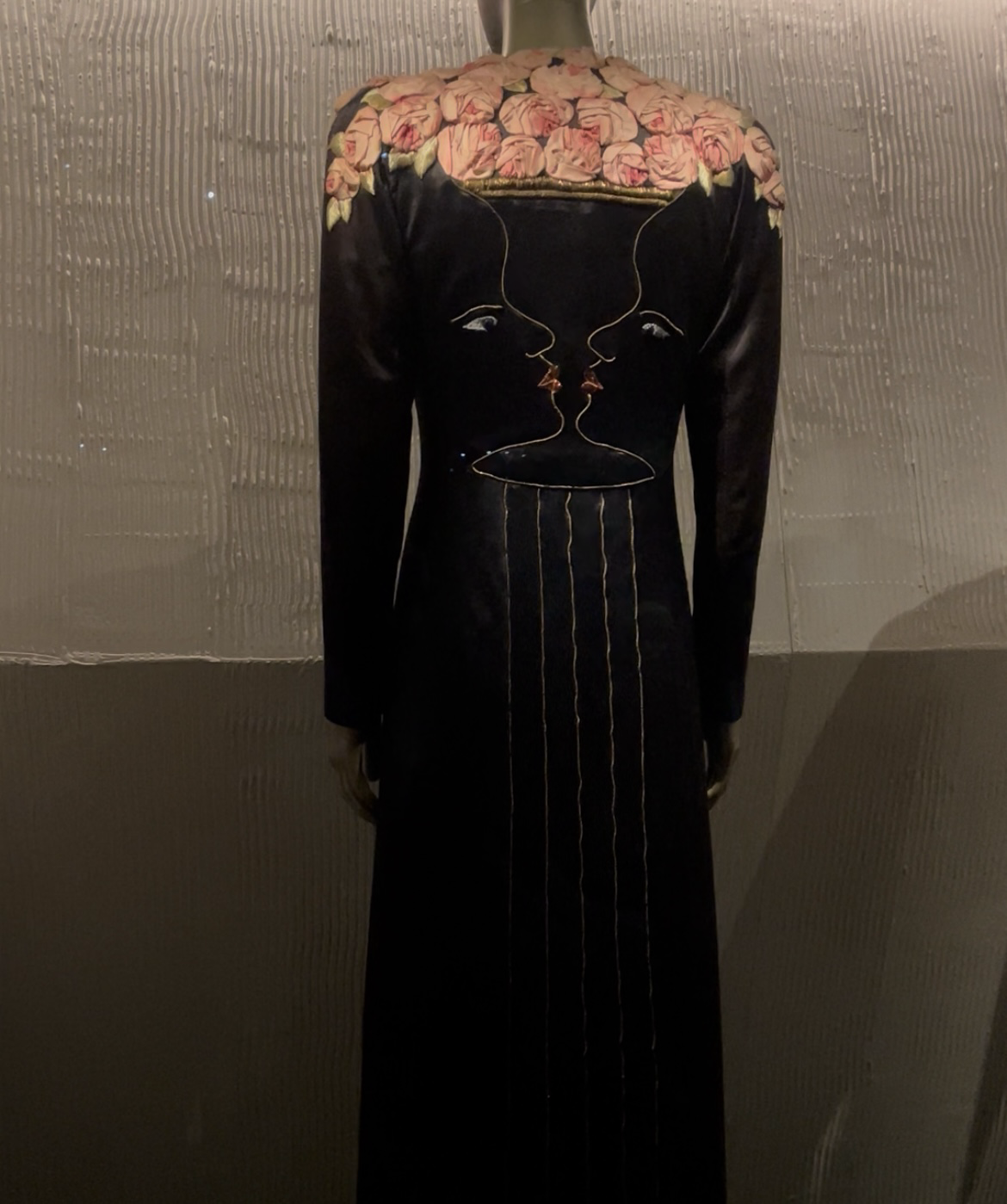
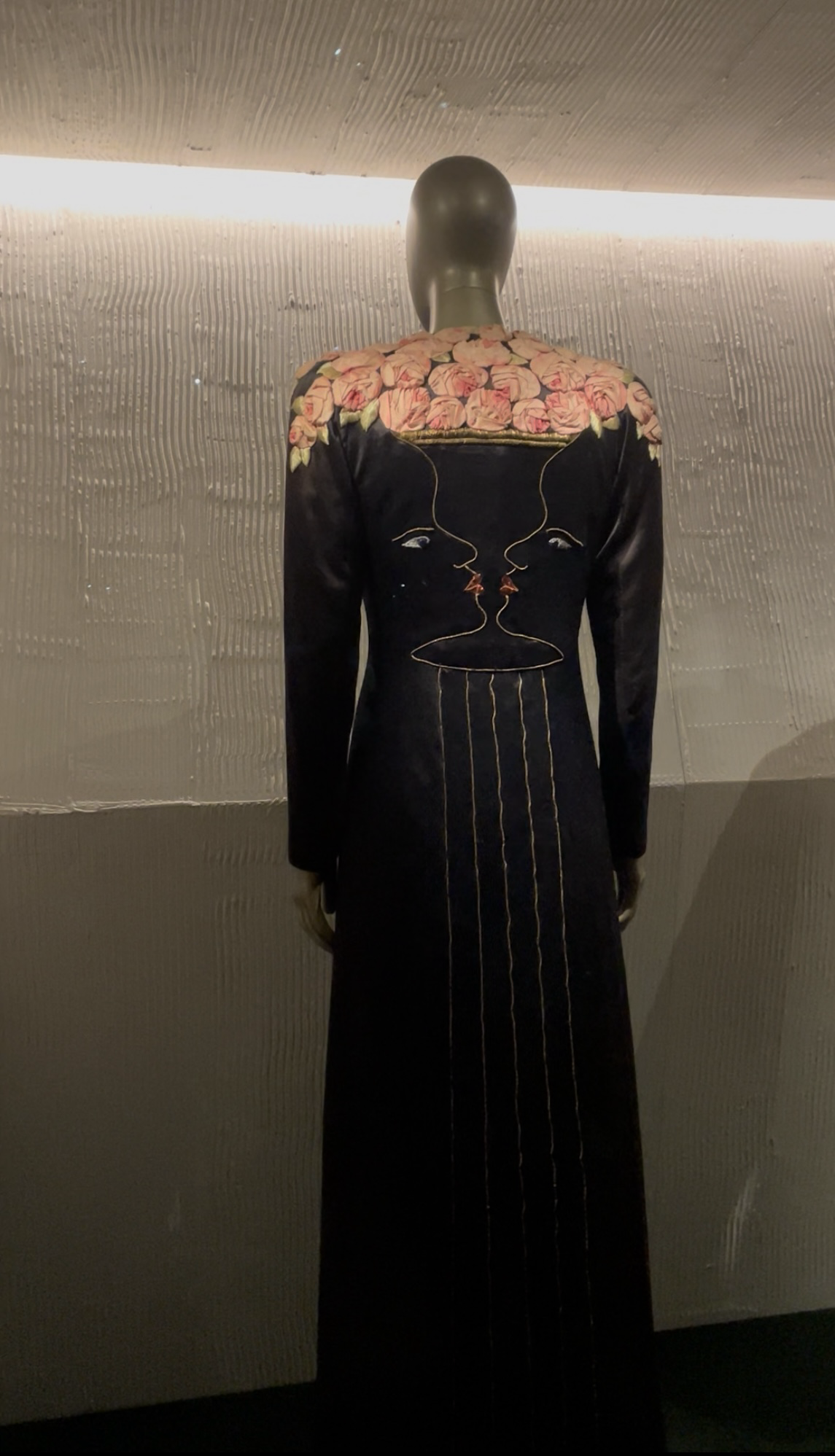
Haute Couture, 1937
Many of the early Schiaparelli designs take on significant inspiration from historical art and cultural meanings. Elsa’s surrealist approach inspired by and in collaboration with talented artists and important figures of their time. This approach alone outlines her effort to create unique and timeless pieces.
Roseberry, continuing this influence, reimagines this surrealist era with imaginative and otherworldly like designs, achieving ultimate homage to the creations of early Schiaparelli.
Follow our TikTok for a closer look on each piece featured within the exhibition
